A Sunday of small projects
Spent yesterday catching up on small projects.
Replanting the hydroponic herbs
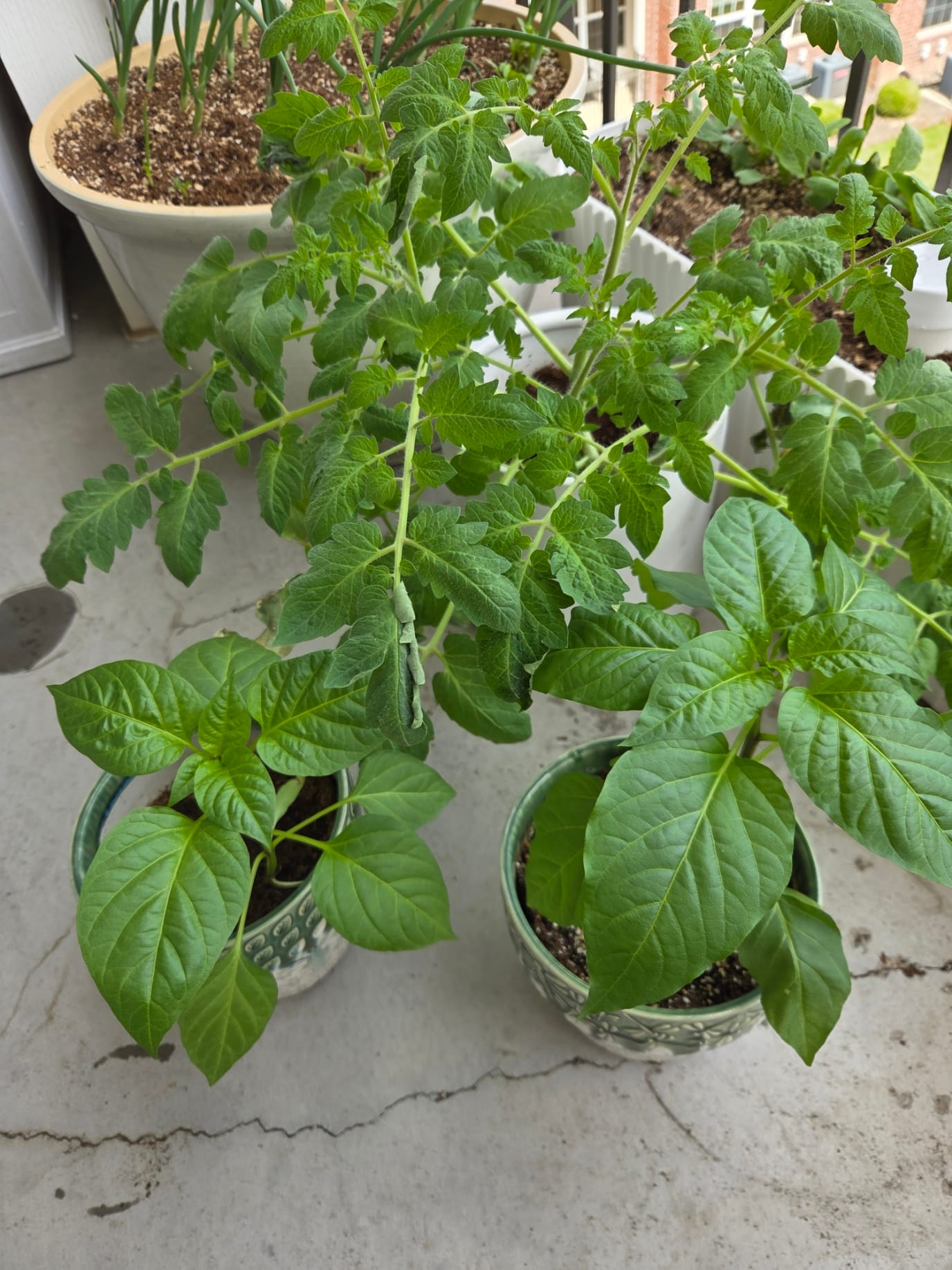
I re-homed my tomato and pepper plants to outside, so time to replant the herbs. I did basil, oragano, and mint in the 9 pod aerogarden this time. The basil always takes over, so I only did 1 plant. Should have plenty of herbs in a month or so.
I skipped thyme and lettuces since I have those growing outside.
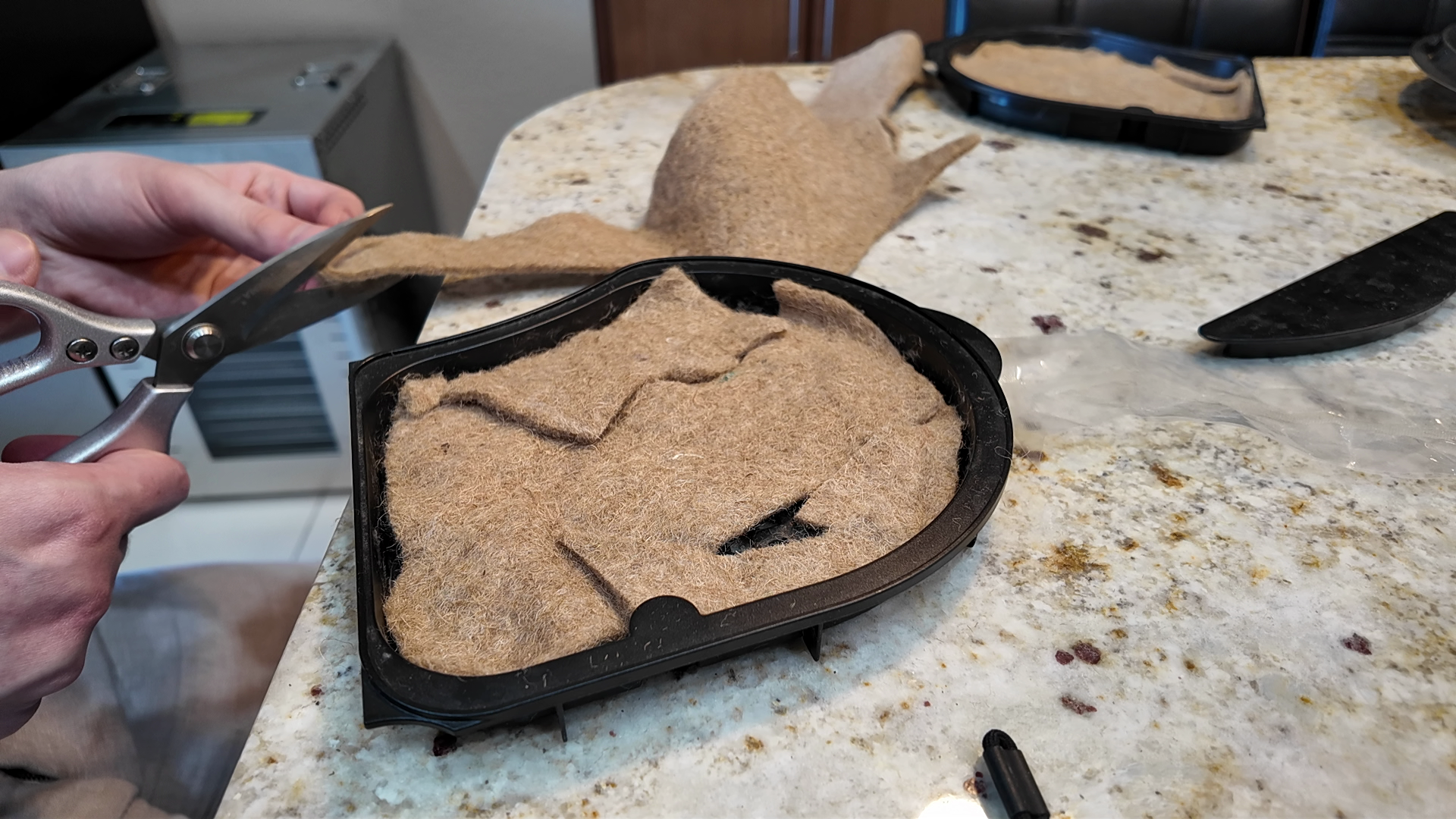
New mat of microgreens in the AeroGarden
Started a new pad in the AeroGarden. The AeroGarden isn't designed for microgreens out of the box but the hydroponic mat sits perfectly on top of the deck if you pull the pod cover, and the LED hood gives them more than enough light to push true leaves in about a week. I soak the mat and get rapid germination.
Vacuum sealer oil change
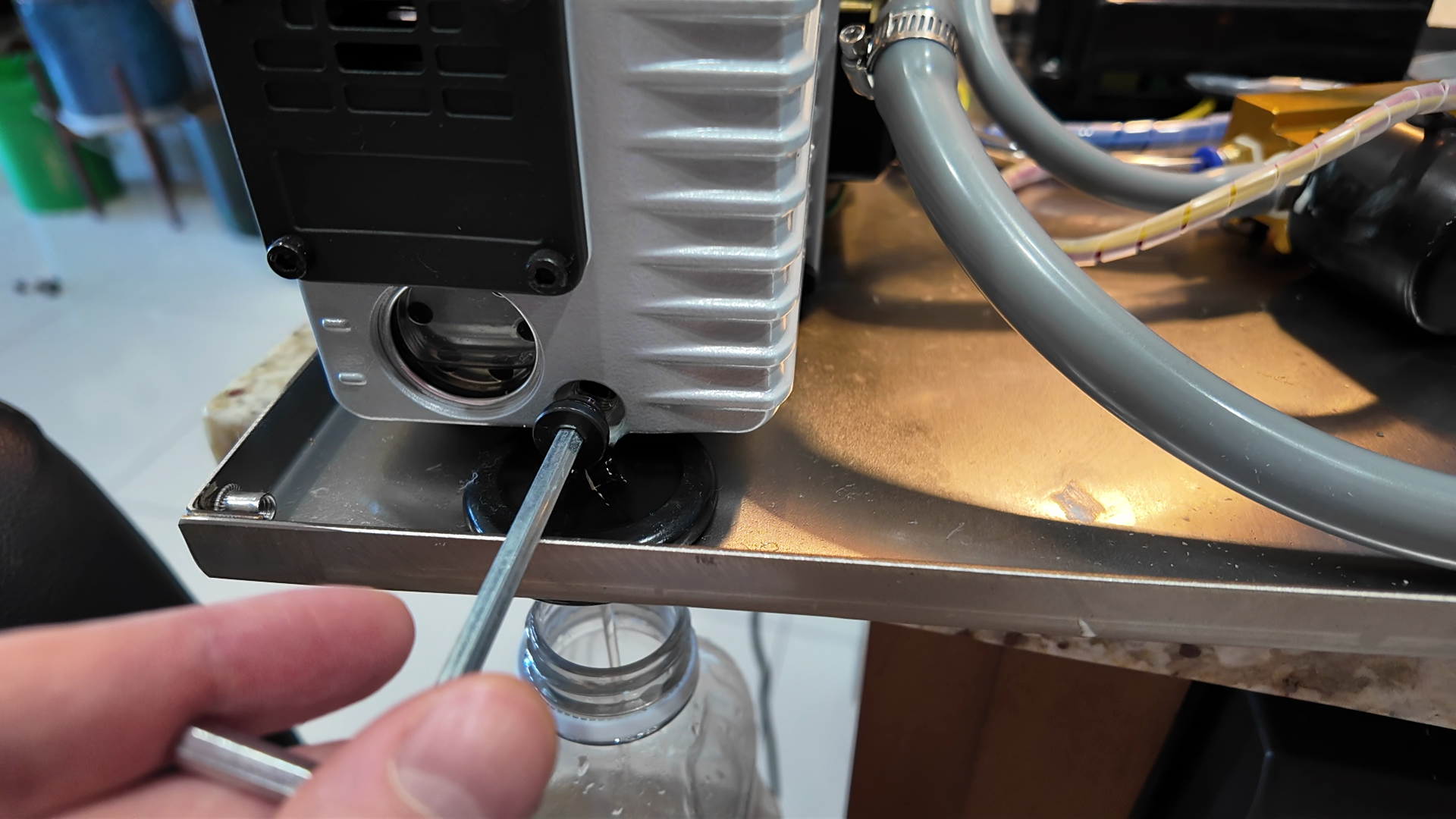
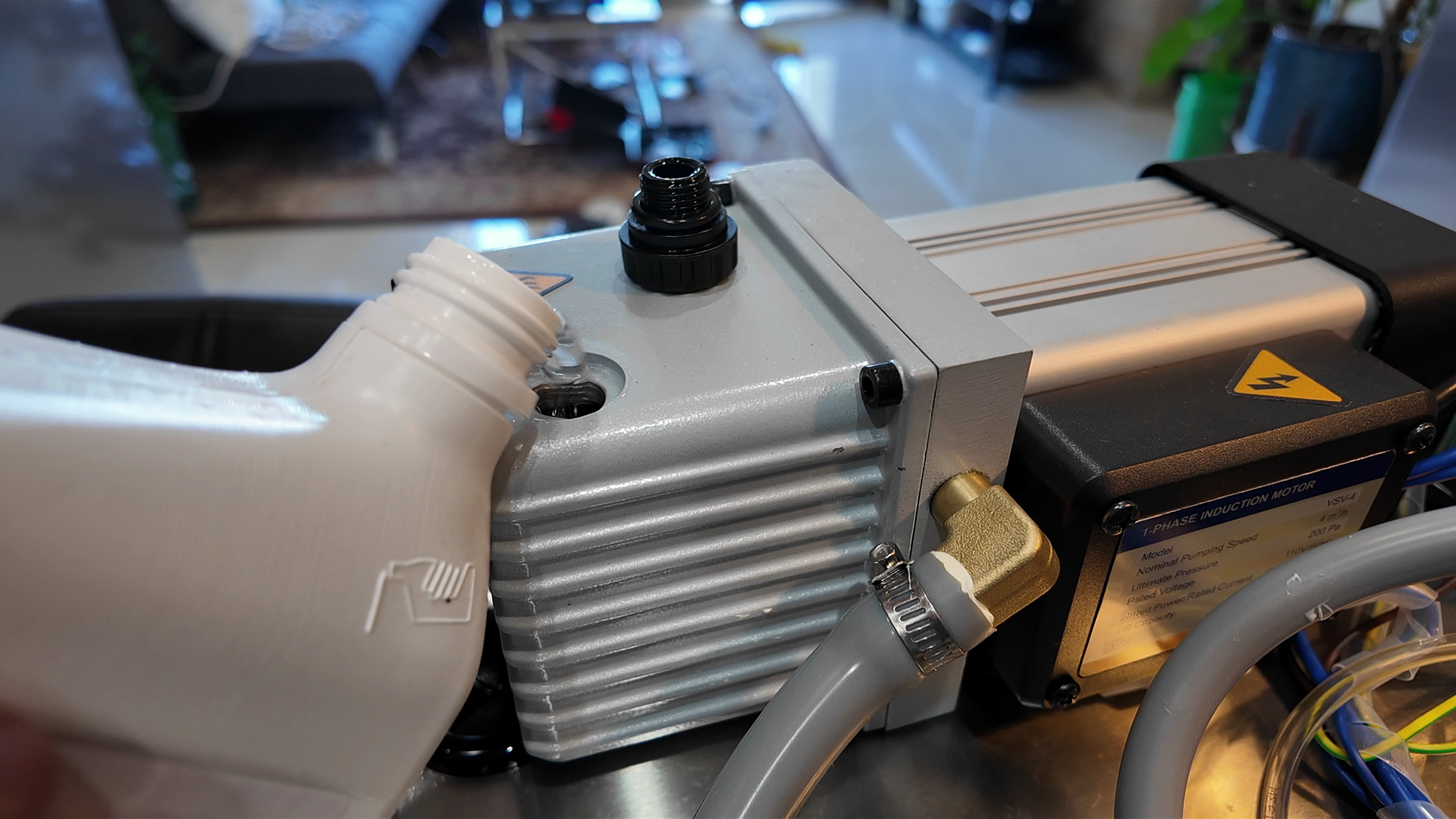
Finally got around to changing the oil on the Vac100.
Ran the machine for a few minutes first to warm the oil so it drained cleanly, then drained, refilled with the JVR #22 (ISO 22, non-detergent, food-grade). The old stuff was well past its oil change date, but still looked great.
A few notes for anyone with the same machine:
- Use ISO 22 specifically. The HVAC oils on the shelf at the auto parts store are mostly ISO 46 or 68 — too thick, slows pump-down.
- Food-grade matters here because the pump exhaust does mist back into the chamber over time.
- A quart is roughly seven changes on the Vac100, which is a multi-year supply at hobby/cottage-business volume.
I am going to 3D print something to attach the 2 allen wrenches onto the bottle. These are required to do an oil change. For now, I used electrical tape.
Fedora on the ThinkPad
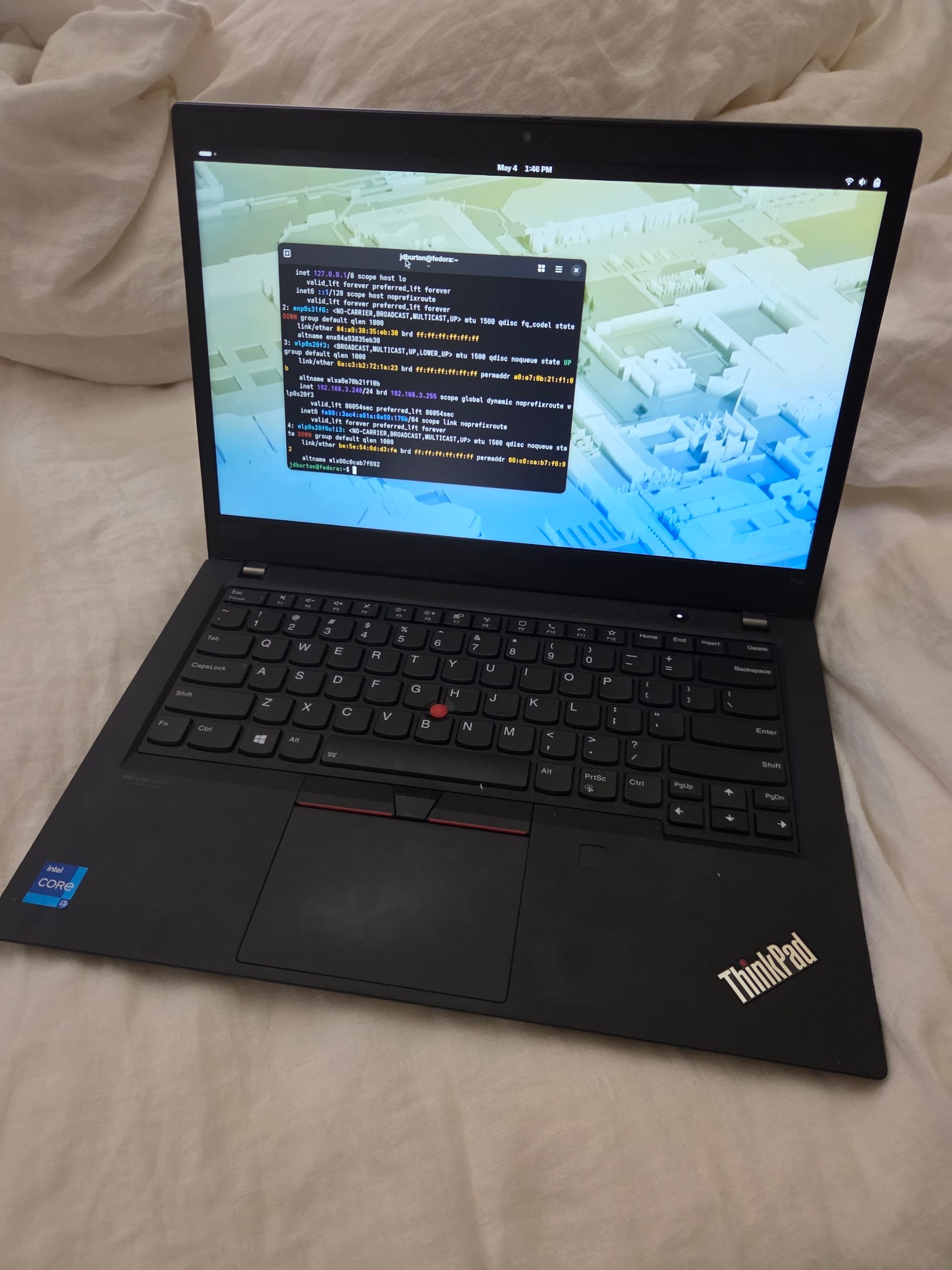
I'm tired of Microsoft making Windows a bad experience. Got Fedora 44 installed on the Lenvovo T14. Fedora made flashing the BIOS super easy too!Install itself was uneventful. I might change over to Bazzite though, I have not decided yet. I just wanted off of Windows.
I bought the Thinkpad off of Ebay a couple of months ago for under $200. What a good purchase!
Home Assistant Zigbee2MQTT USB hop
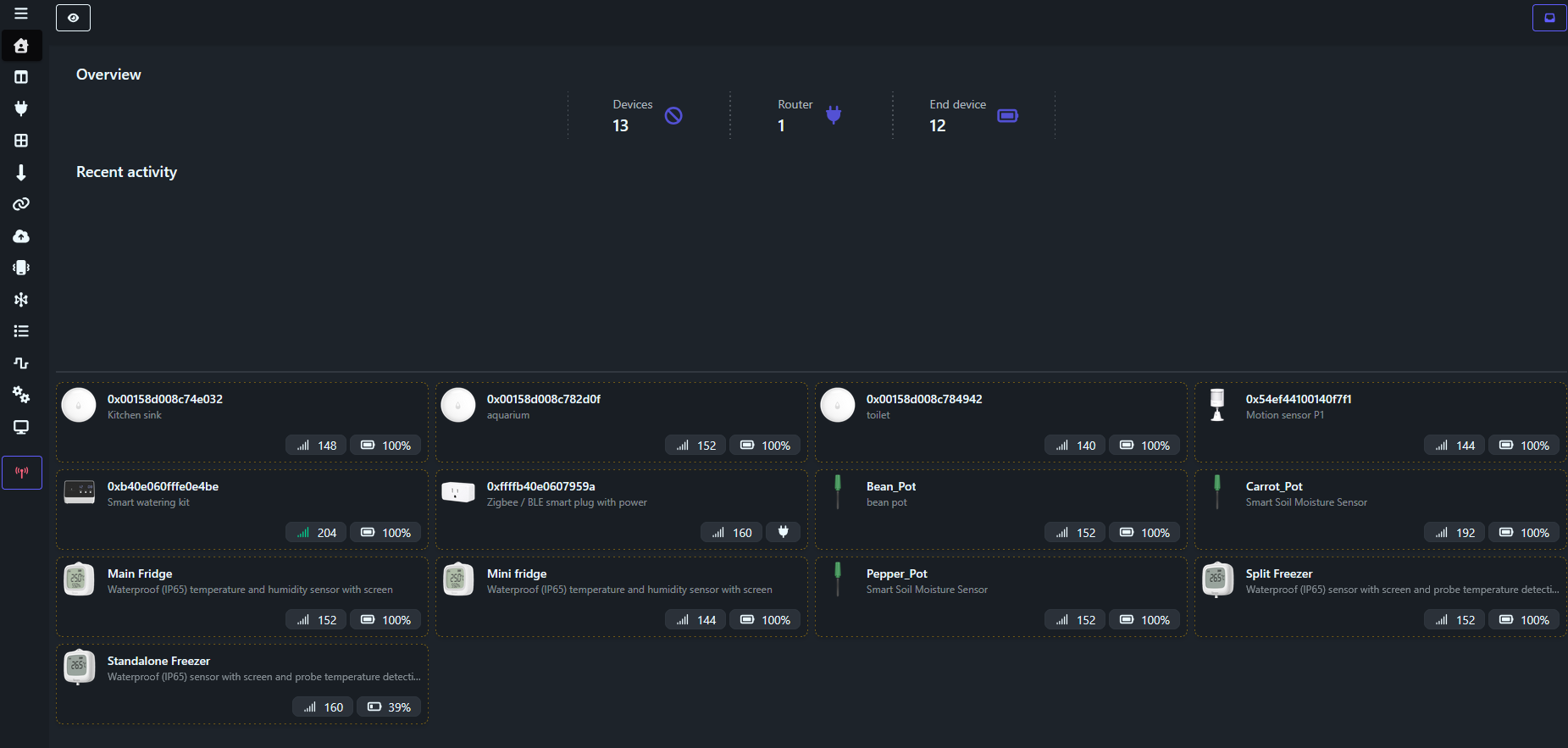
Lost Zigbee mid-day due to rebooting the host. Z2M was throwing ENOENT on the Sonoff dongle's by-id path. Turned out the dongle had re-enumerated from USB port 9-1 to 8-1, which shouldn't matter because by-id is supposed to be stable. The actual fix was the LXC config: it was bind-mounting /dev/ttyUSB0 directly, and that number had moved when the device hopped. Switched the passthrough to use the by-id path so it survives future re-enumeration, added the right cgroup allows for both ttyUSB and ttyACM majors, and Z2M came back up clean. Also a good reminder to put a USB extension cable on the dongle to get it away from USB3 interference.
Ad-free YouTube on the Shield
AdGuard handles most of the network ad load, but YouTube ads are stitched into the video stream from the same domain — there's nothing distinct to block at DNS level. SmartTube fixes it at the app layer instead. Installed via the Downloader app from AFTVnews, sideloaded the APK from smarttubeapp.github.io, signed in. SponsorBlock is a nice bonus. Only real tradeoff is HDR doesn't work on Shield, which I won't mind.
Also fixed the "fight to get to the Shield" problem by setting the TCL QM7K to power on to last-used input and turning on T-Link (CEC) — Shield remote now wakes the TV straight to the right input. No need for the TV remote anymore
Proxmark Easy
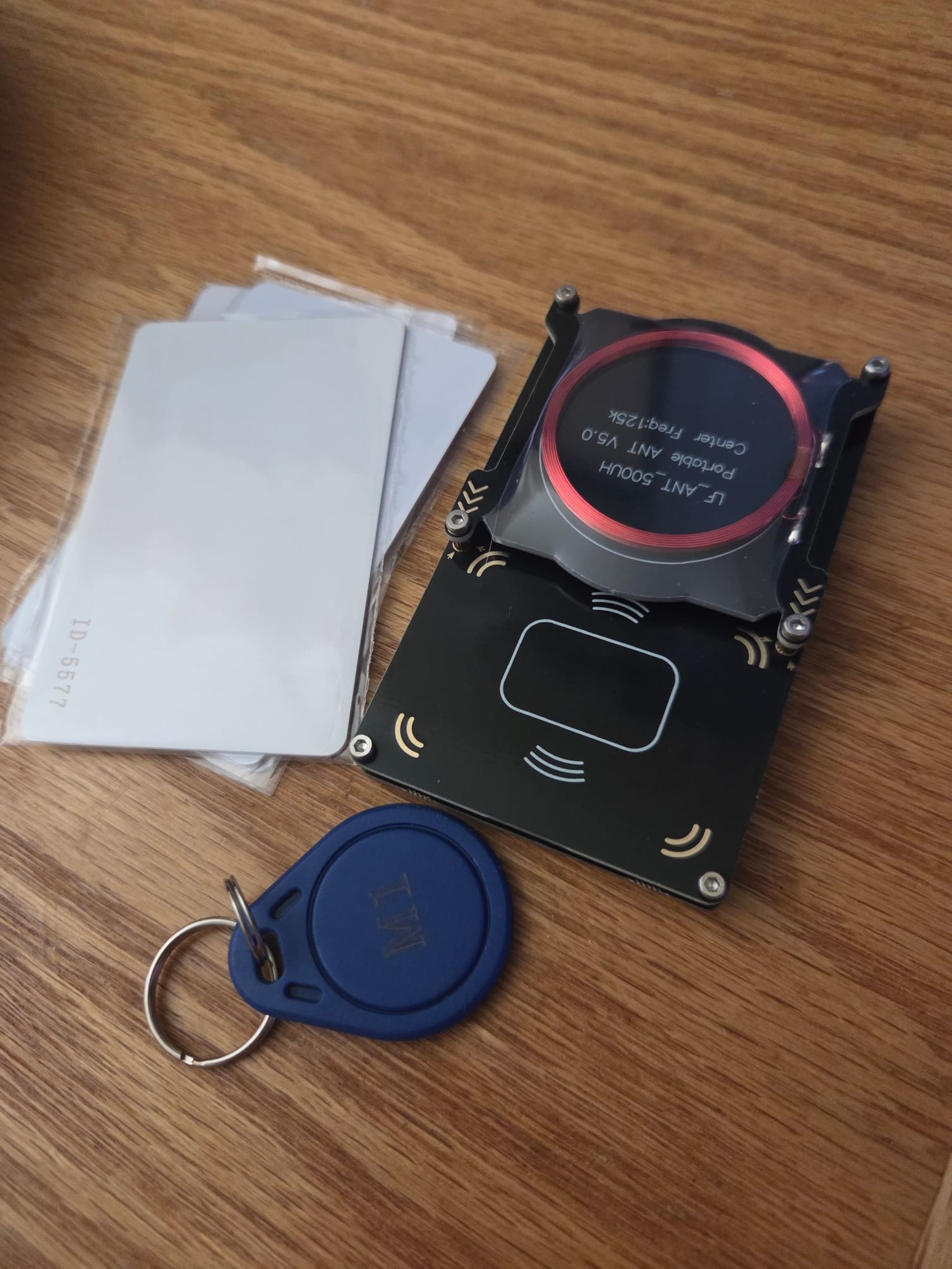
The Proxmark3 Easy clone showed up. I flashed Iceman firmware on it. Tested my own access cards to learn the workflow. This feels like an interesting item to have, though i don't see myself needing it regularly. Maybe I can implement RFID tags into my home though. Maybe in Homebox?
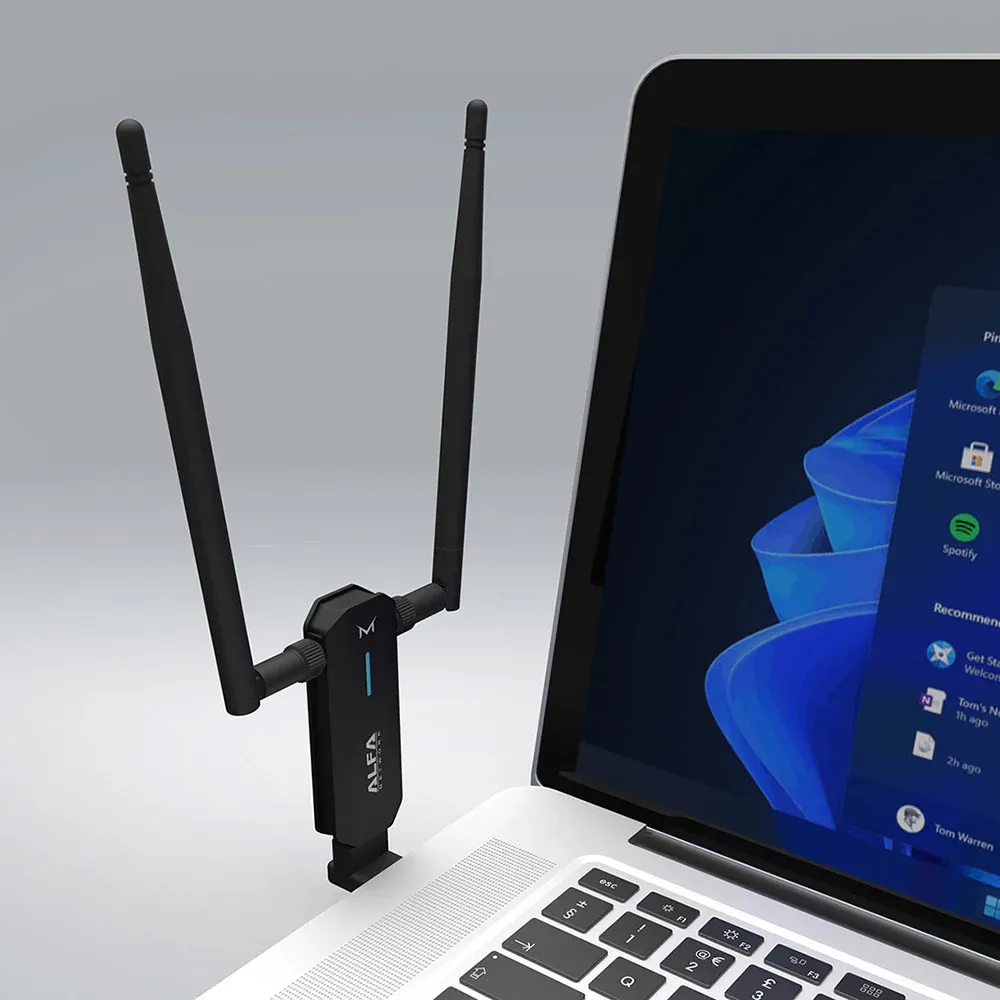
ALFA AWUS036AXM
Also got the ALFA AWUS036AXM WiFi adapter set up on the Fedora laptop. Plug-and-play on the in-kernel mt7921u driver. Brought up a monitor-mode interface with iw, confirmed passive capture works. Frame injection on mt7921au is known to be hit-or-miss depending on kernel/firmware combo, so that's the next thing to test (on my own network, of course).
I will spin up a Kali VM soon and just do USB pass through. Should be a good learning experience. This is used to 'hack' 2.4, 5.8, and 6.0 GHz signals. Nowadays this is not easy to do, since WPA3 is common, but a lot of IoT devices require WPA2, so 3 isn't everywhere.